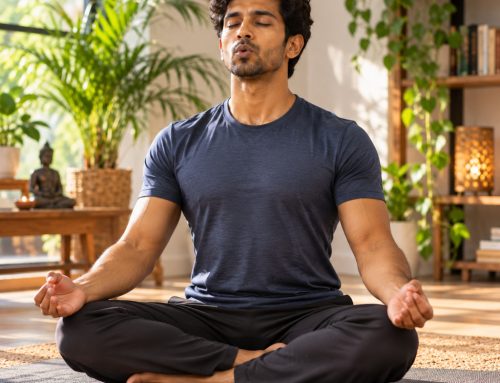
Meditation is a powerful way to reduce stress, improve focus, and bring more calm into everyday life. But when starting a meditation practice, one important question often comes up: Is guided meditation better than unguided meditation?
Both approaches offer benefits, but they provide very different experiences. While unguided meditation relies on your ability to practice independently, guided meditation offers structure, direction, and support.
For beginners, busy minds, or anyone looking for a more accessible way to meditate, guided meditation has some clear advantages.
What’s the Difference Between Guided and Unguided Meditation?
Guided meditation involves following instructions from a teacher or recorded voice. You’re led through breathing exercises, relaxation techniques, visualizations, or mindfulness practices.
Unguided meditation involves meditating independently, without verbal instructions. You choose your own focus, manage distractions, and decide how to structure your session.
The biggest difference is simple: Guided meditation provides external support, while unguided meditation requires greater self-direction.
5 Key Benefits of Guided Meditation
1. Clear Instructions Instead of Guesswork
With guided meditation, you know exactly what to do. A voice walks you through each step, making it easier to relax and follow the practice.
In unguided meditation, you’re responsible for choosing your technique and directing your own attention. This freedom can be rewarding for experienced meditators but challenging for beginners.
The advantage: Guided meditation removes uncertainty, making it easier to start.
2. More Support When Your Mind Wanders
It’s natural for your thoughts to drift during meditation. Guided sessions provide gentle reminders to return to your breath or the present moment.
During unguided meditation, you must recognize distractions and bring your attention back without external prompts.
The advantage: Guided meditation makes it easier to regain focus, particularly when your mind feels busy.
3. A Structured Experience Instead of an Open-Ended Practice
Guided meditations follow a clear sequence, often with a specific purpose such as relaxation, stress relief, self-compassion, or sleep preparation.
Unguided meditation offers more flexibility, but you need to create your own structure and decide how to approach each session.
The advantage: Guided meditation provides a ready-made practice tailored to your needs.
4. Easier Relaxation for Those Who Struggle With Silence
For some people, sitting in complete silence can feel uncomfortable or even increase awareness of racing thoughts.
Guided meditation offers a calming voice and specific relaxation exercises, such as body scans or gentle breathing techniques, to help you settle into the experience.
Unguided meditation provides silence and independence, which can be deeply beneficial for those who enjoy a quieter, less structured practice.
The advantage: Guided meditation can make relaxation feel more approachable when silence is difficult.
5. Less Planning, More Consistency
Building a meditation habit can be challenging, especially when you’re unsure what to practice or how long to meditate.
Guided sessions make the decision easier. Simply choose a meditation that fits your schedule and goal and press play.
Unguided meditation offers greater freedom, but it also places more responsibility on you to organize and maintain your practice.
The advantage: Guided meditation reduces the effort required to get started each day.
Is Guided Meditation More Effective?
Guided meditation isn’t automatically more effective than unguided meditation. Both approaches can support mindfulness, emotional well-being, and stress management.
However, guided meditation often has a practical advantage for beginners because it makes the process easier to understand and follow.
Unguided meditation becomes particularly appealing when you’ve developed the confidence and skills to meditate independently.
The choice depends on your experience, preferences, and what helps you practice consistently.
Conclusion
Meditation doesn’t need to be complicated. You don’t have to know how to silence your thoughts, master breathing techniques, or sit perfectly still.
Guided meditation simplifies the experience by offering clear instructions, regular reminders, and a supportive structure. While unguided meditation offers freedom and independence, guided meditation removes many of the barriers that can make meditation feel difficult at first.
If you’re looking for an easy, approachable, and supportive way to bring more mindfulness into your life, guided meditation is an excellent place to begin. Sometimes, all you need is a few quiet minutes and a gentle voice reminding you to breathe.