Think of Well-being as a Two-way Street
Imagine you’ve had a difficult day. Your thoughts are racing. Your shoulders feel tight. You’ve been sitting for hours and you’re mentally exhausted.
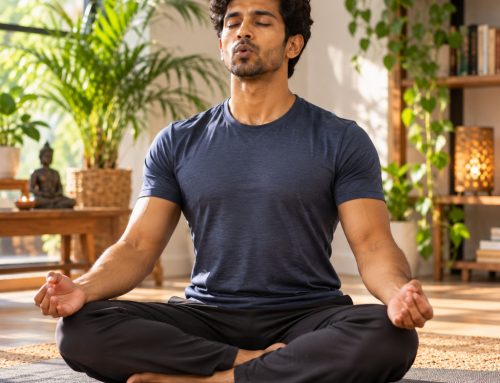
You could try meditation. That might help. You could go for a walk. That might help too. But consider what happens when you combine them. You walk for 20 minutes. Your body moves, your surroundings change and you step away from the environment where you’ve been working or worrying. Then you spend five minutes slowing down and paying attention to your breathing.
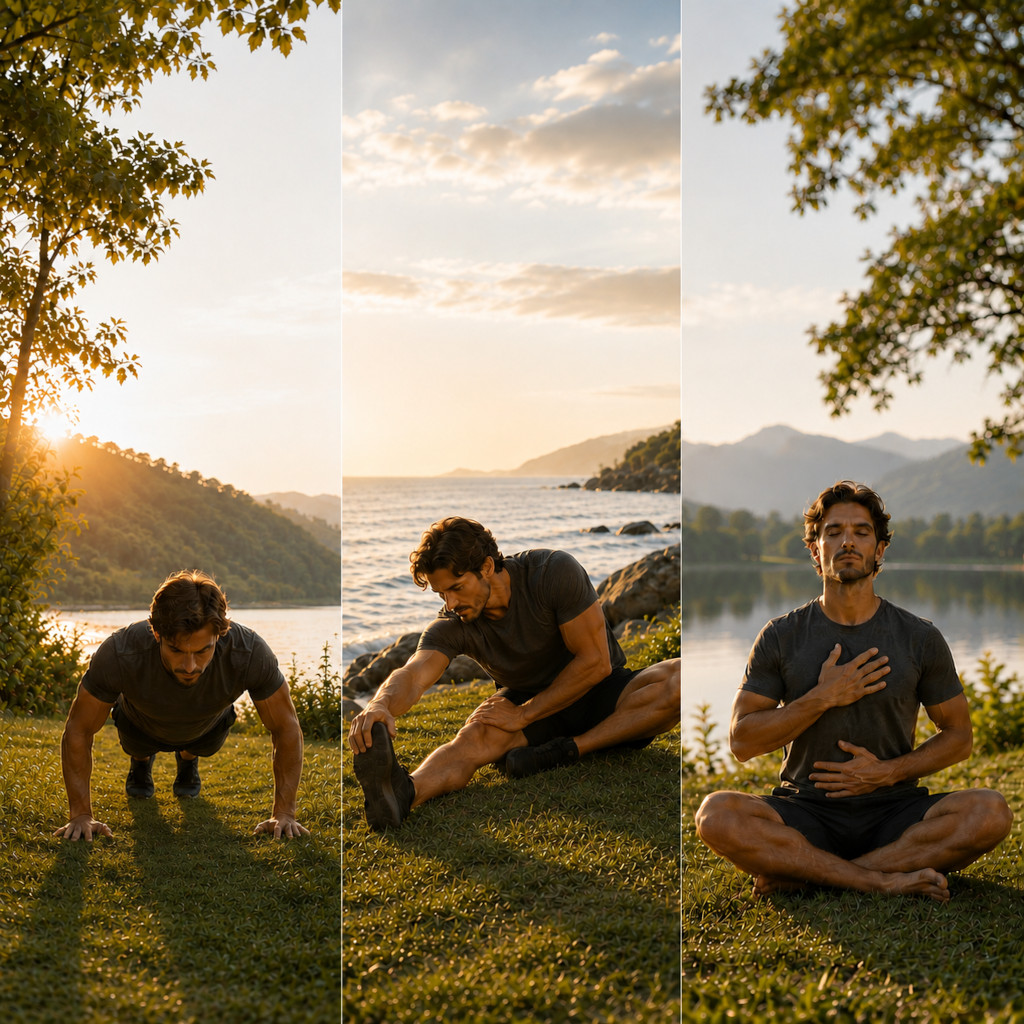
The first practice works through movement. The second works through attention and awareness. Together, they create a broader well-being practice. This is one reason combining physical and mental exercises is such an appealing approach: different practices can address different dimensions of how we feel.
You Don’t Need an Elaborate Routine
This is where many well-being plans go wrong. We imagine the “perfect” routine:
Wake up at 5:30.
Meditate.
Journal.
Run.
Stretch.
Take a cold shower.
Prepare the perfect breakfast.
And somehow begin work by 8:00.
For most people, that’s not sustainable—and it doesn’t need to be. A combined body-and-mind routine can be remarkably simple. Try pairing practices:
Walk + breathe
Take a 15–30 minute walk, then spend two minutes breathing slowly and comfortably.
Strength + mindfulness
Complete your strength workout, then sit or lie down for a short guided mindfulness practice.
Run + body scan
After your run and cooldown, take a few minutes to notice sensations throughout your body without trying to change them.
Movement + meditation
Start the morning with gentle mobility or somatic movement, followed by five minutes of meditation.
The combination doesn’t have to be long to become a ritual.
The Secret Isn’t Intensity. It’s Consistency.
There is a tendency in wellness culture to believe that something only “counts” when it’s difficult.
A workout has to leave us exhausted.
Meditation has to last 30 minutes.
A morning routine has to contain ten different habits.
But well-being isn’t a competition.
A ten-minute walk you actually take is more useful than the perfect 60-minute workout you keep postponing. A three-minute breathing exercise you practice regularly may fit your life better than an ambitious meditation routine you abandon after a week. And once a small practice becomes normal, you can build from there. Start with what feels doable.
Five minutes of movement.
Three minutes of breathing.
Fifteen minutes of walking.
A short strength session followed by meditation.
The goal is not perfection. It’s creating a rhythm you can return to.
One Place for Both Sides of Well-being
This is also why a well-being program shouldn’t force you into a single definition of “wellness.” Some days you may need energy. You might choose a run, strength session, mobility flow or walk.
Other days you may need to slow down. You might choose meditation, mindfulness, breathwork or a grounding exercise. And often, you may benefit from both.
A well-being program that brings physical and mental practices together can make that combination easier: instead of treating fitness and mental well-being as two separate projects, you can build a routine around what you need today.
Move when you need movement. Pause when you need stillness. Or combine the two. The best well-being routine isn’t necessarily the hardest, longest or most impressive one. It’s the one that helps you take care of your whole self—and that you can actually keep doing.
Body + Mind: A Simple Place to Start
If you’re not sure where to begin, forget about designing the perfect wellness routine. Start with two things. Move your body today. Walk, run, stretch, lift, dance or choose whatever kind of movement feels accessible to you. Then give your mind a few minutes of deliberate attention. Meditate, practice mindfulness, follow a gentle breathing exercise or simply sit and notice what’s happening inside you.
Tomorrow, do it again. Over time, you may discover that the most useful question isn’t whether your well-being routine should focus on your body or your mind. It’s how you can support both. Because taking care of yourself isn’t just physical. And it isn’t just mental. It’s the combination that makes us whole.