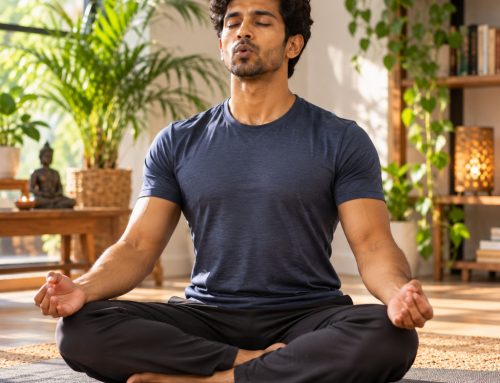

Somatic activities—body-based practices that connect movement, awareness, and the nervous system—are powerful tools for shifting your state of mind and well-being. Unlike traditional workouts that emphasize strength, speed, or endurance, somatic practices work with the body’s innate ability to regulate itself. The right activity can calm stress, ease anxiety, restore energy, or sharpen focus.
Here’s a breakdown of the most effective somatic approaches for different needs:
1. For Stress: Progressive Muscle Relaxation (PMR)
Stress often shows up as physical tension—tight shoulders, clenched jaws, stiff necks. Progressive Muscle Relaxation (PMR) is one of the best somatic techniques to counteract this.
How it works:
You deliberately tense and then release different muscle groups, starting from the feet and moving upward (or vice versa). The cycle of tension and release signals safety to the nervous system and brings awareness to areas of hidden tightness.
Why it helps:
PMR teaches your body to recognize the difference between stress-induced contraction and true relaxation, effectively resetting the stress response.
2. For Anxiety: Humming
Anxiety often leads to racing thoughts, shallow breathing, and a sense of being disconnected from the body. Humming is a simple but powerful somatic tool that calms the nervous system through sound and vibration.
Practice idea:
– Sit comfortably, close your eyes, and take a gentle inhale.
– On the exhale, hum steadily, letting the sound vibrate in your chest, throat, and head.
– Repeat for several rounds, noticing how the resonance grounds and soothes you.
Why it helps:
Humming stimulates the vagus nerve, which plays a key role in regulating the body’s relaxation response. The vibrations also provide a sensory anchor, helping redirect attention away from anxious spirals.
3. For More Energy: Somatic Jumping and Body Tapping
When your energy feels low but you’re not fully depleted, a combination of light jumping and body tapping can awaken the system and create a sense of aliveness.
Try this:
– Stand with feet hip-width apart and begin gentle bouncing or light jumps, letting the body move loosely.
– After 30–60 seconds, use your hands to rhythmically tap along your arms, chest, torso, and legs.
– Alternate between jumping and tapping for 1–3 minutes.
Why it helps:
Jumping increases circulation and oxygen flow, while tapping stimulates sensory awareness, invigorates the fascia, and reawakens the body’s natural energy. The combination provides a quick vitality boost without overstimulation.
4. For Chronic Fatigue: Gentle Somatic Stretching and Restorative Practices
Chronic fatigue isn’t about laziness—it’s often tied to nervous system dysregulation. Intense activity can worsen symptoms, so the best somatic approach is restorative and slow.
Practice idea:
Engage in pandiculation, the body’s natural stretch-and-release reflex (like a cat yawning). Slowly contract, lengthen, and then release a muscle group while breathing deeply. Incorporate restorative yoga poses like legs-up-the-wall or supported child’s pose with mindful body awareness.
Why it helps:
These movements reset muscle tone, calm the nervous system, and conserve energy rather than depleting it—ideal for gently rebuilding resilience.
5. For Mental Alertness and Focus: Breath of Joy
When the mind feels foggy or sluggish, Breath of Joy—a dynamic breathing exercise paired with movement—can quickly restore clarity and focus.
How to practice:
– Stand with feet hip-width apart and knees slightly bent.
– Take three short, energizing inhales: raise arms forward (1st inhale), to the sides (2nd inhale), then overhead (3rd inhale).
– On a strong exhale, fold forward and swing your arms down.
– Repeat 5–10 rounds, then pause in stillness to notice the effects.
Why it helps:
Breath of Joy oxygenates the body, improves circulation, and synchronizes breath with movement, which wakes up the brain and sharpens mental focus.
Conclusion
Somatic practices are adaptable and accessible—you don’t need fancy equipment or hours of time. Whether you’re looking to unwind after a stressful day, ease anxious thoughts, re-energize, gently support chronic fatigue, or boost your focus, there’s a body-based activity to guide your system toward balance. The key is consistency and listening to your body: small, daily practices often create the biggest shifts.