Modern life keeps most of us in a constant state of stimulation. Tight shoulders, shallow breathing, restless sleep, mental fatigue — eventually the body starts asking for a reset. The good news is that deep relaxation does not require an expensive spa retreat or a weekend getaway.
With the right atmosphere and intentional steps, you can create a powerful full-body relaxation ritual right at home. The ritual below is designed to calm your nervous system, release tension, improve sleep quality, and help you feel grounded again. This guide will help you create a restorative experience that feels luxurious, healing, and deeply calming.
Phase 1: Create a Calm Environment
Relaxation begins long before you sit down or close your eyes. Your surroundings directly affect your nervous system, so setting the mood matters.
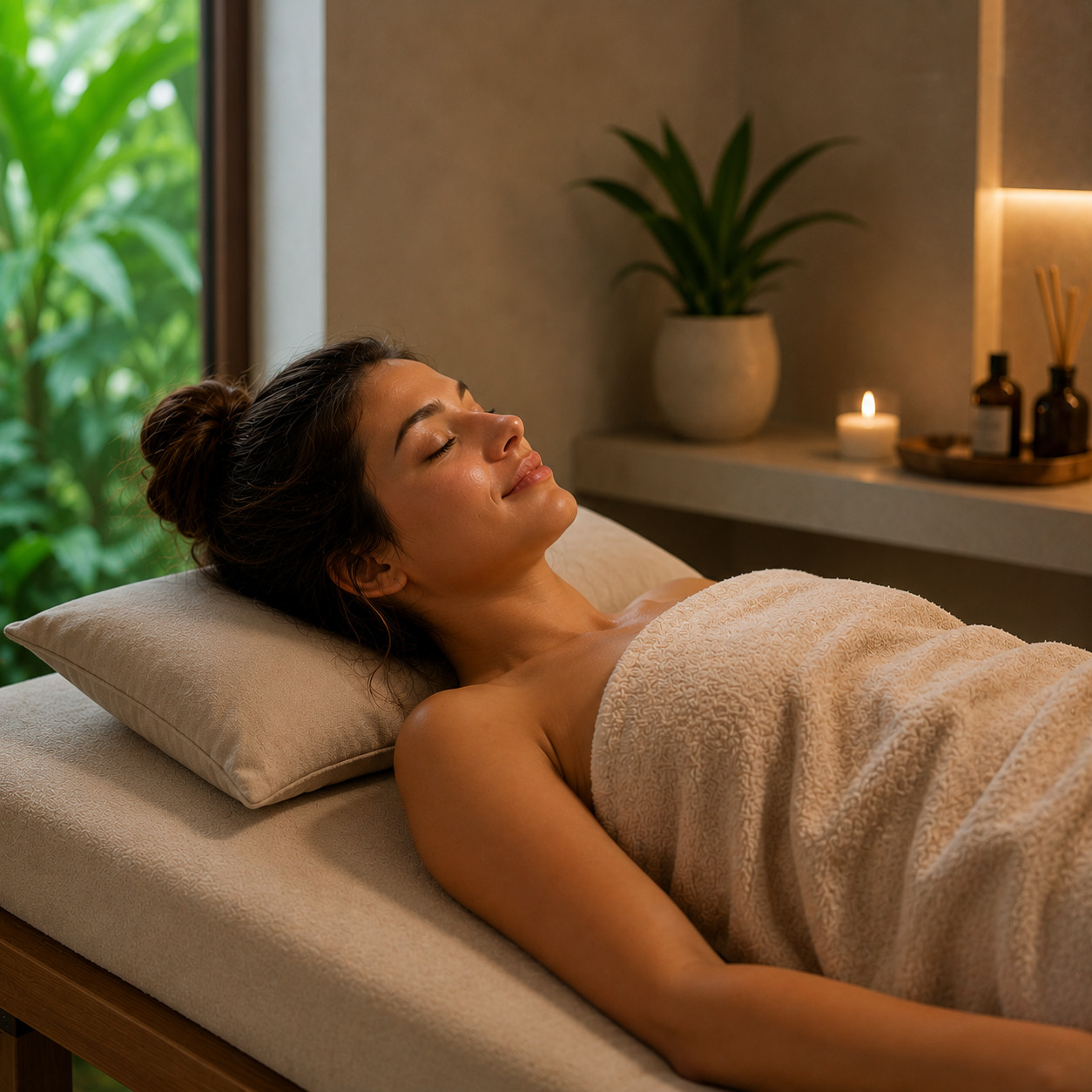
Start by dimming the lights or lighting a few candles. Warm lighting instantly signals the brain that it is time to slow down. Put your phone on Do Not Disturb and create a small sense of separation from the outside world.
Add a calming scent to the room through candles, essential oils, or incense. Lavender, sandalwood, chamomile, and cedar are especially effective for promoting relaxation.
You can also enhance the atmosphere with:
– soft instrumental music or nature sounds
– herbal tea (mixture of lemon balm, chamomile and tulsi works best) or hot cacao
The goal is simple: create an environment that feels safe, warm, and quiet.
Phase 2: Use Heat to Release Physical Tension
One of the fastest ways to relax the body is through heat.
Take a hot shower, warm bath or sauna if available. Heat increases circulation, loosens muscles, and encourages the body to physically soften.
As you stand under the water or soak in the bath, consciously release tension from areas where stress tends to accumulate like jaw, shoulders, neck, stomach and hands.
Instead of rushing through the experience, slow down. Let the warmth become part of the ritual.
If you’re taking a bath, fill it with a cup of Epsom salts, a few drops of lavender or eucalyptus oil and baking soda.
If you’re taking a hot shower you can dry brush towards the heart which boosts circulation and lymph flow.
Phase 3: Slow Down With Self-Massage
After warming the body, take a few minutes to massage your muscles using lotion or body oil. This step transforms a normal evening into a true relaxation ritual.
Move slowly through the body: scalp, neck, torso, arms, thighs, calves and feet. Spend extra time on tension-heavy areas like the jawline, temples, and the base of the neck.
If you have tools available, you can also use a foam roller or a massage ball.
The purpose is not deep tissue work. It is about signaling comfort and care to the body.
Phase 4: Reset Your Nervous System With Breathwork
Stress often shows up as shallow, rapid breathing. Slowing your breath is one of the most effective ways to tell the body it is safe to relax.
Lie down comfortably and try this simple pattern:
– inhale for 4 seconds
– exhale for 8 seconds
Longer exhales help activate the parasympathetic nervous system — the state associated with rest and recovery.
You can also experiment with:
– yoga nidra
– or guided meditation
Even 10 minutes can noticeably shift your physical and mental state.
Phase 5: Gentle Stretching for Deep Release
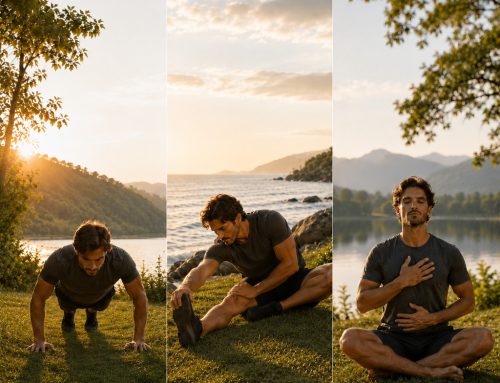
This is not a workout. The goal is softness, not intensity.
Slow, gentle stretching helps release stored tension and improves circulation while keeping the nervous system calm.
Focus on relaxing poses such as:
– child’s pose
– seated forward fold
– lying spinal twist
– hip openers
– legs up the wall
Move slowly and breathe deeply into each stretch. Avoid pushing yourself too hard. Around 50 percent effort is ideal for relaxation work.
Phase 6: Enter Full Sensory Calm
At this stage, your body should already feel noticeably softer and quieter.
Now allow yourself a period of complete sensory calm. You might:
– lie under a weighted blanket
– sip herbal tea or hot cocoa
– write a journal
– listen to ambient music
– meditate in silence
– sit quietly by a window or outside
Try to avoid bright screens, stressful conversations, or social media. The idea is to protect the peaceful state you just created.
This final phase is often where the deepest relaxation happens. By the end of the ritual, your body should feel lighter, your breathing slower, and your mind significantly quieter.
If you do this ritual in the evening, it can become an incredible transition into restorative sleep.
Conclusion
Relaxation is not laziness or indulgence. It is maintenance for the mind and body. In a world that constantly demands attention and energy, intentionally slowing down becomes essential. A relaxation ritual creates space to recover physically, mentally, and emotionally.
The best part is that it does not need to be perfect or expensive. What matters most is consistency and intention. Sometimes the most powerful thing you can do for yourself is simply pause, breathe, and allow your body to rest.