We all know that exercise is good for our health—but did you know that different types of physical activity can target specific mental and physical needs? Whether you’re battling stress, anxiety, fatigue, or lack of focus, the right movement can make all the difference. Here’s a guide to the best type of physical activity for five common challenges.
1. For Stress: Yoga and Walking in Nature
When stress hits, your nervous system can get stuck in fight-or-flight mode. The key is to calm it down—and that’s where mind-body practices and gentle, rhythmic movement in natural settings come in.
– Yoga combines gentle stretching, controlled breathing, and mindfulness, activating the parasympathetic nervous system (your “rest and digest” state).
– Walking in nature (also known as “forest bathing” or shinrin-yoku) lowers cortisol levels, reduces blood pressure, and enhances feelings of calm and well-being.
Research shows that exposure to greenery and natural sounds amplifies the stress-relieving effects of walking.
Best choice: A 30-minute yoga session or a 30–60-minute nature walk, 3–4 times per week.
2. For Anxiety: Rhythmic, Moderate Cardio
If anxiety makes you feel jittery, restless, or trapped in your head, try steady, rhythmic cardio like:
– Brisk walking or jogging
– Moderate cycling
– Swimming laps
These activities regulate breath and heart rate, release endorphins, and provide a sense of control and flow. Research suggests that moderate-intensity aerobic exercise reduces anxiety symptoms over time—sometimes as effectively as medication.
Best choice: 20–45 minutes of moderate cardio, 4–5 times per week. Bonus if done outdoors for an extra calming effect.
3. For Energy: Strength Training
It sounds counterintuitive, but if you’re dragging through the day, or feeling sluggish and drained, strength training may boost your energy more than a nap or coffee. Lifting weights or bodyweight training:
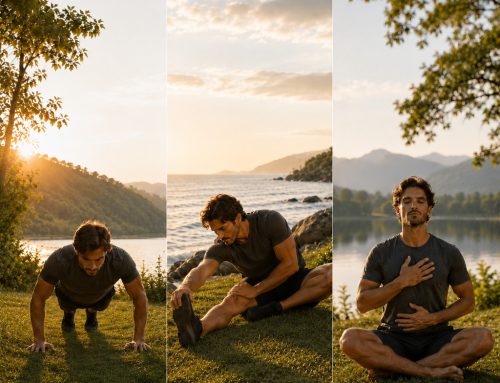
– Increases muscle mass and improves metabolism, helping stabilize energy throughout the day
– Enhances insulin sensitivity and reduces blood sugar crashes that cause fatigue
– Boosts endorphins for an immediate energy lift and confidence, contributing to a sense of vitality
Strength training doesn’t have to be extreme; even short, full-body sessions with one’s own bodyweight can leave you feeling stronger and more energized.
Best choice: 2–3 strength sessions per week, targeting major muscle groups with good recovery between sessions.
4. For Chronic Fatigue: Low-Impact, Gentle Movement
Chronic fatigue (or similar conditions like fibromyalgia) requires a careful, paced approach to exercise. Too much intensity can worsen symptoms, but gentle, low-impact movement can gradually restore energy without overtaxing the body:
– Restorative yoga
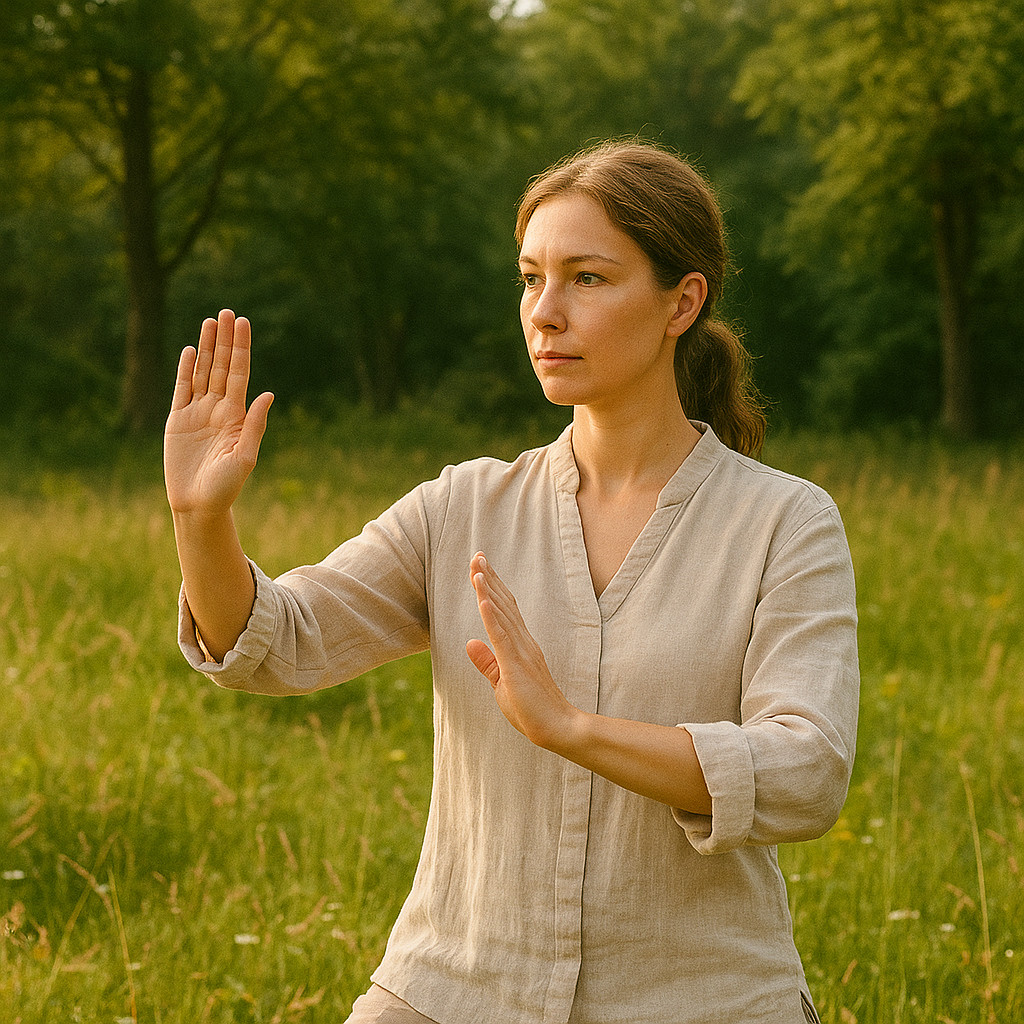
– Tai chi or qi gong
– Gentle free-style dance
Focus on consistency over intensity to rebuild stamina and avoid post-exertional crashes.
Best choice: 10–20 minutes of gentle movement daily, increasing duration gradually as tolerated.
5. For Mental Focus: Complex, Skill-Based Exercise
To sharpen your brain, look for activities that combine physical effort with mental challenge. This boosts neuroplasticity and executive function more than repetitive exercise. Great options include:
– Dance (especially learning choreography)
– Martial arts
– Table tennis
These activities require coordination, strategy, and decision-making, which keep the brain actively engaged while improving circulation and oxygen flow to the brain.
Best choice: 30–60 minutes of skill-based activity 2–3 times per week, or incorporating new movement patterns into your routine.
Conclusion
There’s no one-size-fits-all when it comes to exercise and mental health. But by matching your movement to your mood and needs, you can unlock the unique benefits of different types of physical activity. Next time you’re feeling stressed, anxious, tired, or unfocused, try one of these targeted workouts—and let your body and mind work together toward balance.