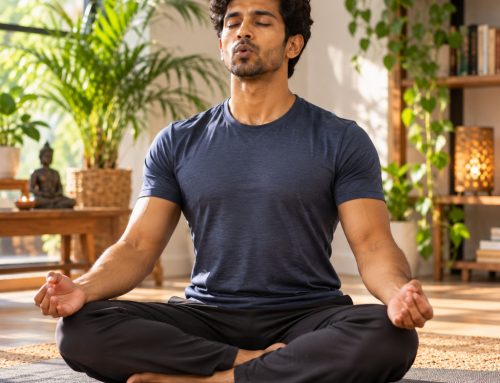

Meditation is often described as a path to peace, stillness, and presence. But for many practitioners—especially beginners—there’s another, less talked-about experience that can arise on the cushion: physical pain. Maybe your knees ache, your back tightens, or your shoulders feel like they’re carrying the weight of the world. You might wonder, “Am I doing this wrong?” or even, “Shouldn’t meditation make me feel better, not worse?”
The good news: experiencing physical discomfort during meditation is completely normal. And, with awareness and skill, it can even become an important part of your practice.
1. Understanding Why Pain Happens
There are a few common reasons physical pain arises during meditation:
Posture and tension. Sitting still for long periods—especially if your body isn’t used to it—can cause muscles and joints to protest. Even minor misalignments can lead to strain over time.
Body awareness heightens. When you meditate, you’re paying closer attention to sensations that you might normally ignore. A twinge that would go unnoticed during your day might feel magnified in stillness.
Stored tension releasing. Some traditions believe the body “unwinds” during meditation, releasing physical and emotional stress that’s been held unconsciously. This can sometimes manifest as temporary pain or discomfort.
2. Don’t Ignore the Body: Adjust Mindfully
Meditation isn’t about gritting your teeth through agony. If you experience pain:
– Shift gently. Adjust your posture when needed—mindfully and slowly. Notice how it feels to move and settle again.
– Experiment with support. Try cushions, benches, or a chair. There’s no prize for sitting cross-legged on the floor if it hurts.
– Check your alignment. A straight but relaxed spine, supported knees, and balanced weight can make a big difference.
– Stretch before and after. Simple stretches can prepare your body for stillness and release any lingering tightness.
3. Investigate the Sensation
If the discomfort is manageable and not harmful, try turning your attention toward it. Notice:
– Where is the pain located?
– Is it sharp, dull, pulsing, or shifting?
– Does it grow, fade, or change when you observe it closely?
By exploring pain with curiosity instead of resistance, you begin to see it as just another sensation—impermanent and ever-changing. This is one of meditation’s deepest lessons: even discomfort can become an object of mindfulness.
4. Know When to Stop
There’s an important difference between temporary discomfort and actual harm. Pain that’s sharp, worsening, or persists after meditation may signal that something in your posture—or your body—needs attention. In that case:
– Take a break.
– Consult a meditation teacher for posture guidance.
– If needed, seek advice from a healthcare or physical therapy professional.
Meditation is about awareness, not endurance.
5. Let Pain Become Your Teacher
Over time, many meditators discover that physical discomfort teaches patience, compassion, and humility. It invites you to soften around difficult experiences rather than react automatically. You learn that pain—like every sensation, thought, and feeling—arises, changes, and passes away.
As the teacher Pema Chödrön once said, “Pain is not a punishment; pleasure is not a reward.” Both can be gateways to presence if met with awareness.
Conclusion
If you experience physical pain during meditation, you’re not failing—you’re simply encountering the reality of a body that feels, breathes, and changes. Adjust when you need to. Explore what you can. And remember: the practice isn’t about being perfectly still; it’s about being aware.