
In the first part of the article we’ve written about meal sizes, calorie distribution, food volume and taste. In the second part you’ll read about carbohydrates, sleep, emergency meals, liquid calories and more.
6. Put Some Carbohydrates Around Your Workouts
Carbohydrates sometimes get unnecessarily demonized during fat loss. But if you’re training hard, they can be extremely useful. Having some carbohydrates before training may help you arrive at the gym with more energy, while eating carbohydrates afterward can help replenish the energy used during training.
You don’t need complicated nutrient timing. Something as simple as fruit and yogurt before training, rice or potatoes with your pre-workout meal, or carbohydrates as part of your post-workout meal can work perfectly well.
If a small adjustment in meal timing makes your workouts noticeably better, that’s often a worthwhile trade.
7. Sleep Is an Appetite-Control Strategy
Poor sleep doesn’t just make you tired. It can make dieting feel dramatically harder. Think about what usually happens after a terrible night’s sleep.
You’re tired, so training feels harder. You don’t feel like walking as much.
Your brain starts looking for quick energy. Highly palatable food suddenly becomes much more appealing. And because you’re awake for longer, you have more opportunities to eat.
Then people blame themselves for having “no discipline.” Improving your sleep environment, bedtime consistency, caffeine habits, and evening routine may indirectly make controlling your calorie intake much easier.
Sometimes the best fat-loss decision you can make at 11 p.m. is simply going to bed.
8. Don’t Waste Calories on Foods You Don’t Care About
This one sounds obvious, but many people do it constantly. They eat the complimentary bread because it’s there. They finish their child’s leftovers. They drink calories they barely notice. They snack while cooking. They eat mediocre office cookies simply because someone brought them in.
Meanwhile, they’re avoiding their favorite dessert because they’re “dieting.”
You have a limited calorie budget. Spend it on foods you genuinely enjoy. If you love pizza, create room for pizza occasionally. If you don’t care about breakfast pastries, don’t eat them just because they’re available.
Fat loss becomes easier when you stop spending calories accidentally.
9. Keep a Few “Emergency Meals” Available
Hunger plus inconvenience is a dangerous combination. You arrive home exhausted. There is nothing ready to eat. Cooking feels impossible. Suddenly food delivery sounds extremely appealing. This problem is often treated as a discipline issue when it’s actually a logistics issue.
Keep two or three meals available that require almost no effort. For example:
– Frozen vegetables, microwave rice, and pre-cooked chicken.
– Eggs and toast with fruit.
– Greek-style yogurt, berries, and cereal.
– Soup plus a sandwich.
– Frozen meals with decent protein.
The exact foods don’t matter. What matters is having a good-enough option that is easier than ordering something extremely calorie-dense. Environment often beats willpower.
10. Consider Whether Liquid Calories Are Worth It
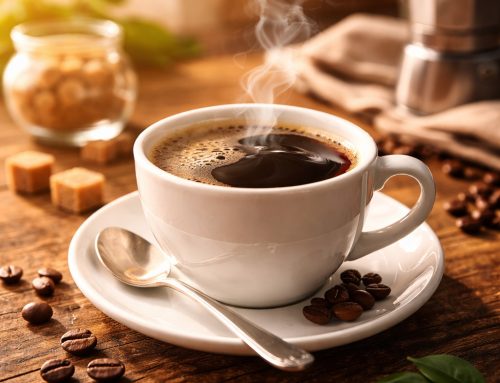
Calories you drink are often less filling than calories you chew. Juice, alcohol, sugary drinks, specialty coffees, smoothies, and other beverages can therefore consume a surprising amount of your calorie budget.
Again, they don’t need to be forbidden. Just ask yourself:
Would I rather drink these 300 calories or eat them?
Sometimes the answer will absolutely be “drink them.”
Fine. But for many people, switching most everyday drinks to water, sparkling water, coffee or tea creates extra food calories without making the diet feel more restrictive.
The Best Fat-Loss Diet Is the One That Requires the Least Willpower
Successful fat loss isn’t about proving how hungry you can tolerate being. It’s about engineering your diet, environment, training, and lifestyle so that maintaining a reasonable calorie deficit becomes relatively uneventful.
You will probably experience some hunger while losing fat. That’s normal. But being relentlessly hungry, exhausted, irritable, and obsessed with food doesn’t mean your diet is working exceptionally well. It may simply mean you’ve made fat loss much harder than it needs to be.
The objective isn’t to see how much discomfort you can tolerate. The objective is to create an approach you can actually maintain long enough to reach your goal—and still have enough energy to enjoy your life while you’re doing it.