
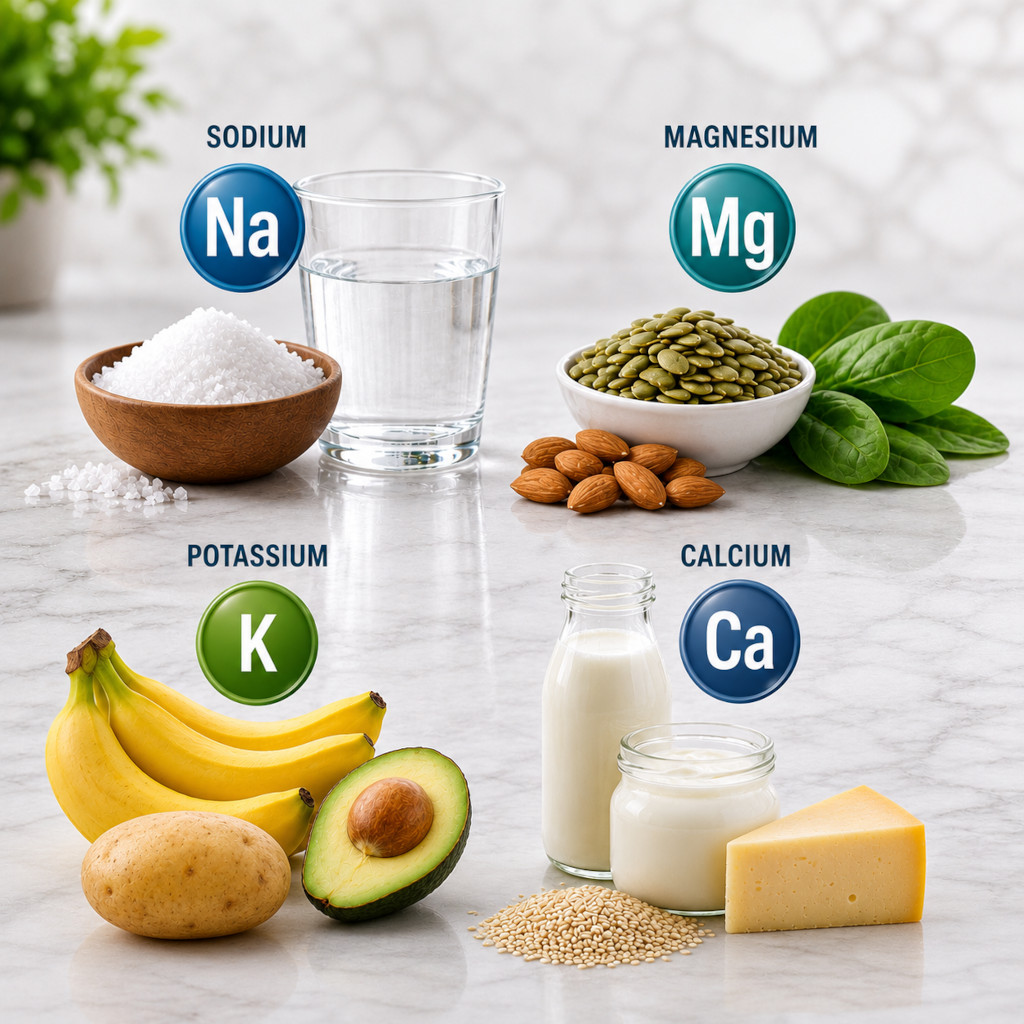
When people hear the word electrolytes, they often think of sports drinks or marathon runners. While athletes certainly rely on electrolytes, the truth is that every single cell in your body depends on these essential minerals to function properly. From keeping your heart beating to helping your muscles contract and your brain communicate with the rest of your body, electrolytes play a vital role in maintaining overall health.
What Are Electrolytes
Electrolytes are minerals that carry an electrical charge when dissolved in body fluids such as blood, sweat, and urine. These electrical charges enable your nerves, muscles, and organs to communicate and function efficiently. The major electrolytes in the human body include:
– Sodium
– Potassium
– Calcium
– Magnesium
Each of these minerals has a unique role, but together they help keep your body in balance.
Why Your Body Needs Electrolytes
1. They Keep You Hydrated
Electrolytes help regulate the movement of water into and out of your cells. Sodium and potassium work together to maintain the body’s fluid balance, ensuring your cells stay properly hydrated. Without the right balance of electrolytes, drinking plenty of water alone is not enough to maintain optimal hydration.
2. They Support Muscle Function
Every muscle contraction—including the beating of your heart—depends on electrolytes. Calcium triggers muscle contraction, while magnesium helps muscles relax afterward. Potassium also plays a crucial role in preventing muscle cramps and maintaining normal muscle function. When electrolyte levels become too low, you may experience muscle weakness, twitching, or painful cramps.
3. They Help Your Nervous System Communicate
Your nervous system sends electrical signals throughout your body every second. Electrolytes make these signals possible. Sodium and potassium create the electrical impulses that allow nerves to transmit messages, whether you’re moving your hand, reacting to pain, or simply thinking.
4. They Maintain Healthy Blood Pressure
Sodium helps regulate blood volume and blood pressure. While too much sodium can contribute to high blood pressure in many people, too little can also cause problems. Potassium helps counterbalance sodium’s effects and supports healthy cardiovascular function, making both minerals important for maintaining normal blood pressure.
5. They Support Energy Production
Electrolytes contribute to many metabolic processes involved in producing energy. Magnesium, in particular, is involved in hundreds of enzymatic reactions that help convert food into usable energy. Low magnesium levels are often associated with fatigue and reduced physical performance.
How Much of Each Electrolyte Do You Need
Daily requirements vary depending on age, sex, activity level, and overall health, but general recommendations for healthy adults are:
Sodium 3000-5000 mg per day
Potassium 3000 mg/day for most women; 4000 mg/day for most men
Calcium 1000 mg/day for most adults
Magnesium 400 mg/day for most women; 500 mg/day for most men
When Do You Lose Electrolytes
Your body naturally loses electrolytes throughout the day, primarily through:
– Sweating
– Urination
– Vomiting
– Diarrhea
Heavy exercise, hot weather, illness, or prolonged physical activity can increase electrolyte losses significantly. That’s why replenishing both fluids and electrolytes is especially important during these situations.
Signs of an Electrolyte Imbalance
An electrolyte imbalance can range from mild to severe. Common symptoms include:
– Muscle cramps
– Fatigue
– Weakness
– Headaches
– Dizziness
– Irregular heartbeat
– Confusion
– Nausea
Persistent or severe symptoms should always be evaluated by a healthcare professional, as significant electrolyte imbalances can become serious if left untreated.
Natural Sources of Electrolytes
Some electrolytes (like sodium and calcium) can be easily obtained in adequate amounts through a balanced diet. While for others (like potassium and magnesium) supplementation is often recommended.
Some excellent sources include:
– Sodium: Table salt, soups, cheeses, and many prepared foods
– Potassium: Bananas, potatoes, avocados, spinach and beans
– Calcium: Dairy products, fortified plant milks, sesame, and leafy greens
– Magnesium: Nuts, seeds, legumes, and dark leafy vegetables
Eating a varied diet rich in whole foods is usually the best way to maintain healthy electrolyte levels.
Conclusion
Electrolytes are far more than a sports nutrition buzzword. They are essential minerals that keep your body functioning—from hydration and muscle contractions to nerve signaling and heart health. Maintaining a healthy, balanced diet, staying hydrated, and replacing electrolytes when losses are significant can help support energy levels, physical performance, and overall well-being.
While some people meet their needs through everyday foods, eating them in optimal amounts, not just minimum daily recommended doses is one of the key factors in feeling great. Paying attention to electrolyte balance also becomes especially important during stress, intense exercise, illness, or prolonged exposure to heat. Keeping your electrolytes in balance is one of the simplest ways to support your body’s everyday performance.